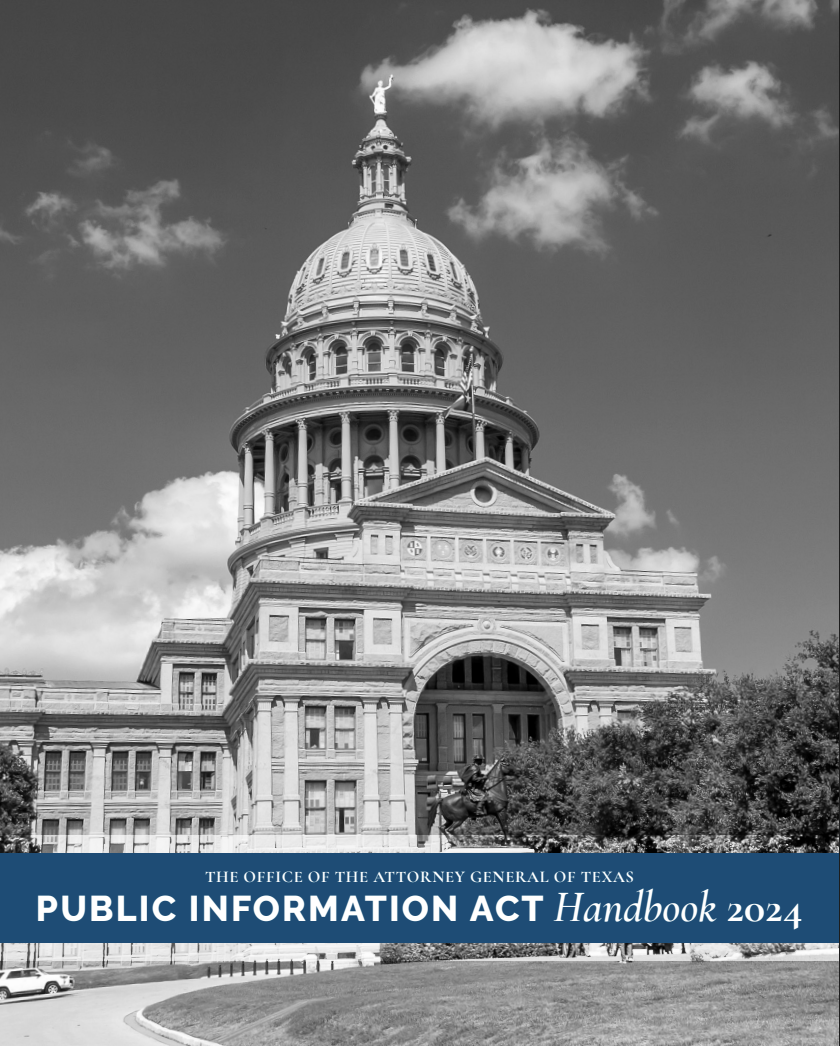
The Texas Public Information Act is the main statute. It gives anyone the right to ask Texas government bodies — cities, counties, school districts, state agencies — for records they keep, and it sets out what they have to release, what they can withhold, how long they have to respond, what fees they can charge, and what to do if a request is denied. Close calls go to the Texas Attorney General for a ruling. The guides below walk through the practical side: how to file a request, what to expect, and how to push back if you’re told no.
The Texas Open Meetings Act requires Texas governmental bodies to do their decision-making in meetings that are announced in advance and open to the public. The statute defines what counts as a meeting, when officials may meet privately (closed sessions are allowed for narrow reasons like real estate negotiations or pending litigation), how agendas must be posted, and what happens when the rules aren’t followed — actions taken at an improper meeting can be voided and there are criminal penalties. The guides below explain how this works for city councils, school boards, county commissioners, and similar bodies.
Texas procurement law is spread across several statutes that each cover a different piece. Local Government Code Chapter 252 covers how cities buy most goods and services and when competitive bidding is required. Chapter 271 covers cooperative purchasing (using contracts another entity already competitively bid) and electronic bidding. Government Code Chapter 2269 covers alternative delivery methods for construction projects (design-build, construction manager-at-risk, etc.). Chapter 2254 covers how to pick professional services like engineering and architecture, where cost can’t be the deciding factor. The guides below walk through how all of this works in practice for both the government buyers and the businesses that want to sell to them.